In the world of sports, few words spark more heated arguments than “overrated.” It’s a label often thrown around in moments of frustration, rivalry, or pure debate culture. But when that word gets attached to LeBron James, it doesn’t just raise eyebrows — it challenges decades of sustained greatness that are nearly impossible to ignore.
Debates like these are what make sports so compelling. Fans argue, narratives clash, and every opinion feels personal. But calling LeBron “overrated” requires overlooking one of the most complete, consistent, and influential careers basketball has ever seen.
Because LeBron James isn’t just great — he’s historically great.
From the moment he entered the NBA in 2003, the expectations were unlike anything the league had ever seen. Dubbed “The Chosen One” before playing a single professional game, LeBron carried a level of pressure that would have broken most players. Instead, he delivered immediately. Rookie of the Year. All-Star appearances. Franchise cornerstone. And that was just the beginning.
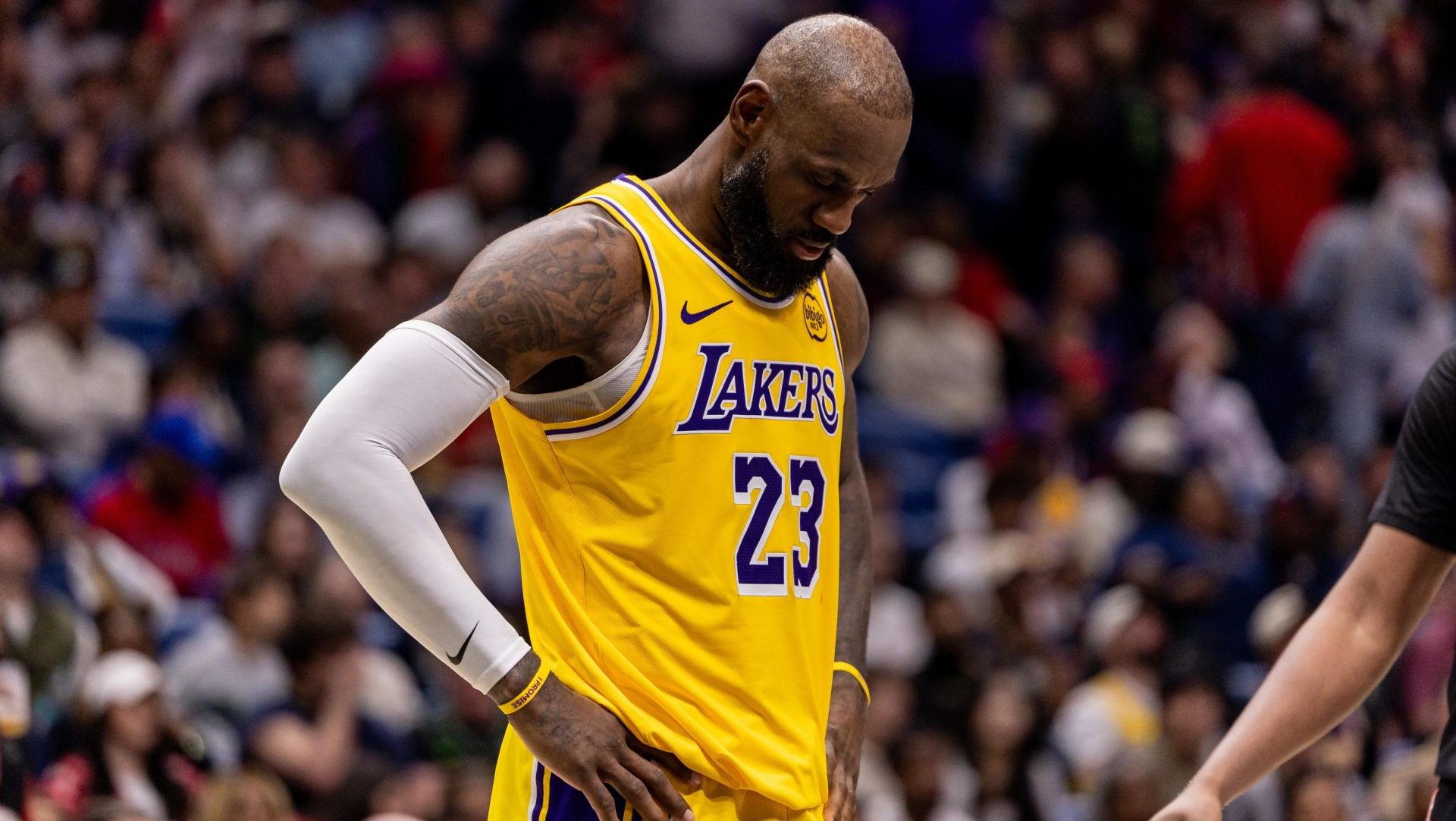
What separates LeBron from many all-time greats isn’t just peak performance — it’s how long that peak has lasted.
For over two decades, he has remained at or near the top of the game. Think about that. Entire careers rise and fall in the time LeBron has stayed dominant. Players who once competed against him are now long retired, while he continues to perform at an elite level against a new generation of stars.
Longevity in sports is rare. Elite longevity is almost unheard of.
Yet LeBron has redefined what that looks like. His ability to adapt his game over time — from explosive scorer to elite playmaker to veteran leader — has allowed him to remain effective in every phase of his career. Early on, it was about athleticism and raw power. Later, it became about basketball IQ, efficiency, and control. Today, it’s a blend of both, executed with unmatched experience.
That evolution is part of his greatness.
Then there’s the impact.
LeBron has carried teams to championships, often in situations where the odds were stacked against him. His 2016 NBA Finals performance, leading the Cleveland Cavaliers back from a 3-1 deficit against a historically dominant Golden State Warriors team, is widely considered one of the greatest achievements in basketball history. That wasn’t hype — that was legacy-defining excellence.
But his influence goes beyond championships.
LeBron has been the face of the NBA for years, bridging eras and expanding the game’s global reach. His presence brings attention, viewership, and cultural relevance wherever he plays. Younger players study him. Teams build around him. Fans debate him constantly. That level of impact isn’t accidental — it’s earned.
And even now, in what many would call the “late stage” of his career, LeBron continues to produce at a level most players could only dream of at their peak. He’s not just hanging on — he’s competing, leading, and still shaping outcomes in meaningful games.
So where does the “overrated” narrative come from?
Part of it is the nature of greatness itself.
When a player reaches LeBron’s level, expectations become unrealistic. Every missed shot is magnified. Every loss is scrutinized. Every comparison to legends like Michael Jordan fuels endless debate. In that environment, anything short of perfection can be framed as disappointment.
But that’s not a fair standard — it’s an impossible one.
Greatness doesn’t mean flawlessness. It means sustained excellence over time. It means delivering at the highest level, again and again, under pressure, across eras, against evolving competition.
And that’s exactly what LeBron has done.
Criticism will always be part of the conversation. It’s what keeps sports alive, what fuels engagement, and what drives narratives forward. But there’s a difference between debate and dismissal. Calling LeBron “overrated” doesn’t just challenge opinion — it dismisses a body of work that stands among the greatest in sports history.
Whether you admire his game or not, whether you rank him first or second or somewhere else entirely, one thing is undeniable:
LeBron James’ legacy isn’t built on hype.
It’s built on years of dominance, adaptability, leadership, and impact that few — if any — have ever matched.
And in the end, that’s what defines true greatness.
Leave a Reply