Caitlin Clark and Indiana Fever Caught in Limbo as WNBA CBA Talks Hit a Standstill
The rise of Caitlin Clark was supposed to usher in a new golden era for the WNBA. Packed arenas, record-breaking TV ratings, and a surge in merchandise sales followed her every move from college superstardom to the professional ranks. But just months into her rookie season, a cloud of uncertainty now hangs over Clark and the Indiana Fever — and it has little to do with what happens on the court.
At the center of the growing tension is the WNBA’s stalled Collective Bargaining Agreement (CBA) negotiations, a labor dispute that threatens to disrupt the league’s momentum at the worst possible time.

A Perfect Storm for the WNBA
Never in its history has the WNBA enjoyed the level of mainstream attention it is seeing today. Clark’s arrival, combined with a deep rookie class and increasing corporate investment, has elevated the league into daily sports conversations. Games featuring Indiana Fever routinely draw sellout crowds, and national broadcasts have smashed previous viewership records.
Yet behind the scenes, league executives and the players’ union remain locked in difficult CBA discussions. Issues surrounding player salaries, revenue sharing, travel conditions, roster sizes, and offseason obligations remain unresolved. While both sides insist negotiations are ongoing, sources around the league suggest progress has slowed significantly.
That stall has sparked concern — not just among veterans, but among new stars like Clark who represent the league’s future.
Why the CBA Matters More Than Ever
For casual fans, a CBA might sound like background noise. For players, it defines everything from how much they earn to how long their careers last. The current agreement, negotiated before the league’s recent explosion in popularity, no longer reflects the economic reality of today’s WNBA.
Players argue that league revenues have grown, sponsorships have expanded, and media deals have improved — yet salaries and benefits have not kept pace. Many still rely on overseas leagues during the offseason to supplement income, increasing injury risk and burnout.
Clark’s presence only sharpens the debate. She is already one of the most marketable athletes in basketball, men’s or women’s. Her jersey sales and endorsement appeal underscore how valuable star power can be — and how much leverage players now possess.
Indiana Fever in an Awkward Position
For Indiana Fever, the timing couldn’t be more delicate. The franchise is in rebuild mode, centering its future around Clark as the face of the organization. On the court, the team is learning to adapt to heightened expectations. Off the court, it must navigate uncertainty that could impact scheduling, player morale, and long-term planning.
If negotiations were to deteriorate further, potential outcomes could range from preseason disruptions to more serious labor actions down the line. Even the mere possibility creates unease for teams trying to sell season tickets, attract sponsors, and maintain fan momentum.
The Fever, perhaps more than any other team, are under the microscope — because wherever Clark goes, attention follows.
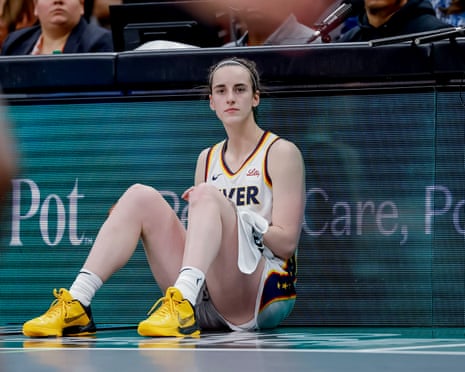
The Pressure of Being “The Face”
Clark has handled the spotlight with remarkable composure, repeatedly deflecting attention toward her teammates and emphasizing growth over hype. Still, there’s no denying her influence.
While she has avoided making direct public statements about the CBA, her presence alone amplifies the stakes. The league cannot afford to alienate players or fans at a moment when public interest is peaking. Any misstep risks turning excitement into frustration.
Veteran players have quietly voiced concerns that the league must strike while the iron is hot. Missing this window could mean squandering years of progress — something Clark’s generation may not easily forgive.
Fans Are Watching Closely
Perhaps the most unpredictable factor is the fans. Many newcomers to the WNBA arrived because of Clark and other young stars. They are invested, engaged, and vocal — especially on social media.
A prolonged labor dispute could test that loyalty. Fans want transparency, fair treatment for players, and a league that appears united rather than fractured. Any hint of instability threatens to stall the growth the WNBA has worked decades to achieve.
What Happens Next?
For now, both sides maintain a cautious optimism. Negotiations haven’t collapsed, but they also haven’t delivered meaningful breakthroughs. The longer talks drag on, the louder the questions become.
Will the league recognize its moment and reshape its economic model? Will players push harder, even at the risk of disruption? And how long can stars like Caitlin Clark operate in a system that hasn’t yet caught up to their value?
A Defining Crossroads
The WNBA stands at a crossroads. With unprecedented attention, marketable stars, and growing fan investment, the league has a rare chance to redefine itself. But opportunity cuts both ways.
For Caitlin Clark and the Indiana Fever, the uncertainty is unsettling — a reminder that progress off the court must match excellence on it. How the CBA standoff is resolved may ultimately shape not just a season, but the future of women’s professional basketball.
And in that sense, the stakes have never been higher.
Leave a Reply