👉 “Caitlin Clark’s Big in the U.S., Wemby’s Big Everywhere”: Jeff Teague Pushes Back on Claim She’s More Popular Than Victor Wembanyama
The debate over basketball’s most popular young star took another turn this week after former NBA champion Jeff Teague firmly rejected Nick Wright’s claim that WNBA phenomenon Caitlin Clark has surpassed NBA sensation Victor Wembanyama in global popularity.
Teague’s blunt response — “Caitlin Clark’s big in the States. Wemby’s big everywhere” — instantly reignited a conversation that goes beyond numbers, social media metrics, or television ratings. At its core, the debate highlights how basketball stardom is measured differently depending on geography, league, culture, and even gender.
Nick Wright initially stirred controversy by arguing that Clark’s meteoric rise has made her the most recognizable young basketball star in the world. His case leaned heavily on Clark’s unprecedented impact on women’s basketball in the United States. From record-breaking college viewership to sold-out WNBA arenas, Clark has transformed attention around the league almost overnight. Her games regularly outdraw NBA matchups, and her jersey sales and endorsement deals rival those of established stars.
But Teague, speaking from the perspective of a former NBA player who understands the global reach of the men’s game, was quick to draw a line between domestic dominance and worldwide fame. In his view, Clark’s influence, while massive, remains largely concentrated in the U.S. market. Wembanyama, on the other hand, entered the NBA as a global icon before he ever played a regular-season game.
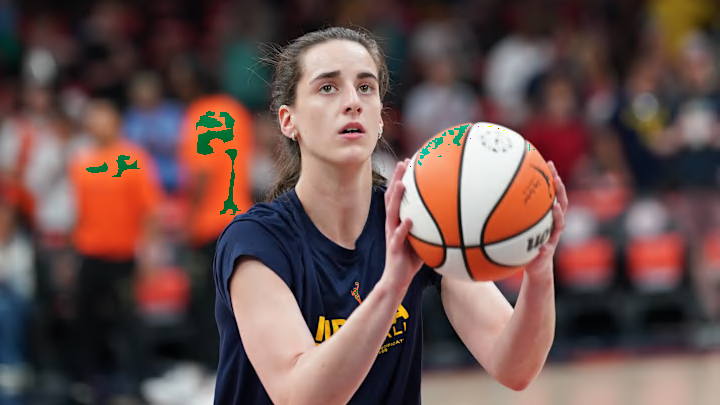
Wembanyama’s appeal was international from day one. Growing up in France, dominating European competitions, and entering the league as a once-in-a-generation prospect, he arrived with an audience that spanned continents. Fans in Europe, Africa, Asia, and beyond followed his journey long before his NBA debut. His highlights circulate globally, his jersey sells worldwide, and his presence fuels conversations in basketball communities far removed from American college gyms.
That contrast doesn’t diminish Clark’s achievements — in fact, it underscores how extraordinary they are. Women’s basketball in the U.S. has historically struggled for mainstream attention. Clark didn’t just step into an existing spotlight; she helped create one. Her deep three-pointers, swagger, and competitive fire resonated with casual fans and hardcore hoop heads alike. She became a cultural figure, not just an athlete, inspiring debates, merchandise frenzies, and viral moments that pushed the WNBA into uncharted territory.
Teague’s argument, however, reframes popularity as a global metric. The NBA’s infrastructure — international broadcasting deals, overseas fan bases, and decades of global expansion — gives its stars a built-in advantage. Wembanyama benefits from that ecosystem, amplifying his reach far beyond North America. Clark, by contrast, is still operating within a league that is only beginning to tap into international markets at scale.
This difference also reveals how expectations shape perception. Wembanyama was marketed as a global superstar before he played a minute in the NBA. Clark’s rise was more organic, fueled by performance, personality, and viral moments. One was crowned by hype; the other earned her crown shot by shot.
Nick Wright’s claim resonated with many fans because it reflects a real shift. For the first time, a WNBA player is part of mainstream sports debates typically reserved for NBA stars. Clark’s name now appears in conversations about ratings, endorsements, and cultural relevance — territory that once felt inaccessible for women’s basketball.
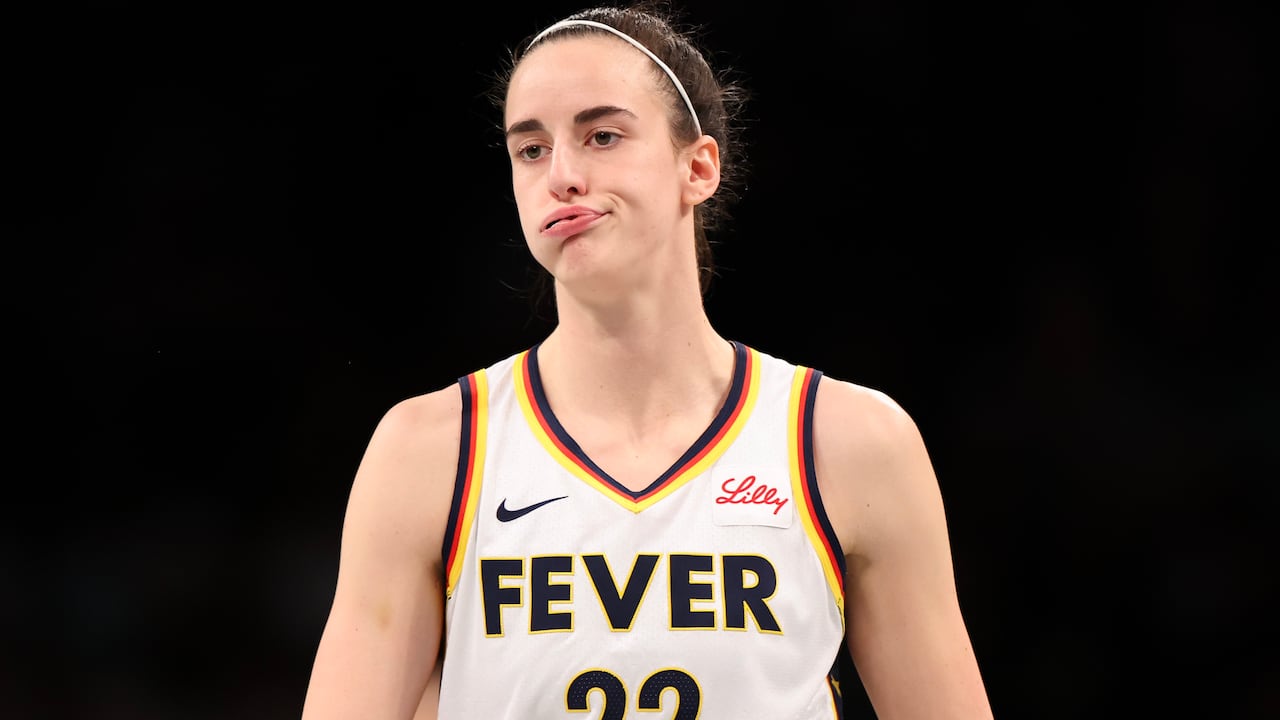
Teague’s pushback doesn’t reject Clark’s stardom; it contextualizes it. His point suggests that popularity isn’t a zero-sum game. Clark can be transformative in the U.S. while Wembanyama dominates globally. Both can be generational figures without one diminishing the other.
The debate also hints at a future where these distinctions blur. As the WNBA continues to expand internationally and Clark’s brand grows beyond American borders, her global footprint could rival that of NBA stars. Similarly, Wembanyama’s presence may further bridge the gap between European and American basketball audiences.
In the end, the argument says less about who is “bigger” and more about how basketball stardom is evolving. Clark represents a breakthrough moment for women’s sports, while Wembanyama symbolizes the NBA’s global machine at full power. Jeff Teague’s comment captured that reality in one sharp line — and ensured the conversation isn’t ending anytime soon.
For fans, that’s a win. Two young stars, two different paths, one sport growing bigger in every direction.
Leave a Reply