There’s a strange phenomenon in sports discourse that seems almost unique to LeBron James: no matter what he achieves, there’s always an excuse waiting to diminish it. It doesn’t matter if he breaks records, dominates for decades, or performs at an elite level deep into his career—criticism follows him like a shadow. The irony? The very arguments used to discredit him often end up highlighting just how extraordinary he truly is.
Take longevity, for example. When LeBron James surpasses records that once seemed untouchable—whether it’s becoming the NBA’s all-time leading scorer or stacking up All-NBA selections—critics are quick to say, “Well, he’s only done it because he played for 20+ seasons.” But that argument collapses under its own weight. Longevity isn’t a weakness; it’s one of the hardest achievements in professional sports. Staying healthy, maintaining elite performance, and evolving your game over two decades is not something luck or circumstance can explain. It’s discipline, intelligence, and an unparalleled commitment to greatness.
Then there’s the infamous “weak Eastern Conference” narrative. When LeBron led his teams to eight straight NBA Finals from 2011 to 2018, instead of acknowledging the historic dominance, detractors brushed it off: “The East was weak.” But consistency at that level is unprecedented. Many all-time greats have played in favorable conditions at times, yet none managed to control a conference for nearly a decade. If it were that easy, others would have done it. They didn’t—LeBron did.
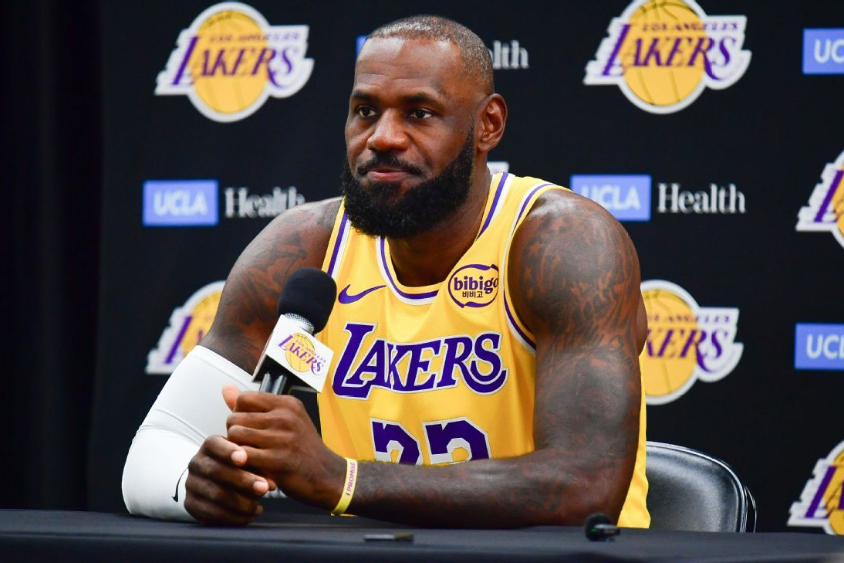
Championships, often considered the ultimate measure of greatness, are also somehow used against him. Each of LeBron’s titles comes with an asterisk in the eyes of critics. The 2012 and 2013 championships? “Ray Allen saved him.” The 2016 historic comeback against a 73-win Warriors team? “Kyrie hit the shot.” The 2020 title in the bubble? “Doesn’t count.” Even early career Finals losses are weaponized against him, ignoring the context of undermanned teams facing superior opponents. It’s as if every success must be dissected until it loses its value.
And when the accomplishments become impossible to ignore, the narrative shifts again. Now, at age 39 (and beyond), when LeBron is still making All-NBA teams in his 20th+ season, the conversation turns to skepticism: “It must be steroids.” Instead of appreciating the unprecedented nature of his sustained excellence, critics resort to speculation without evidence. It reflects less about LeBron and more about the discomfort people feel when witnessing something they can’t easily explain.
Perhaps the most contradictory argument is about his physicality. For years, critics have claimed, “LeBron is only good because he’s bigger and stronger than everyone else.” Yet, in the same breath, some argue he “wouldn’t survive” the more physical eras of the 1980s and 1990s. Which is it? If his size and strength are advantages, wouldn’t those traits translate even better in a more physical game? The inconsistency reveals a deeper bias: the need to downplay rather than objectively evaluate.
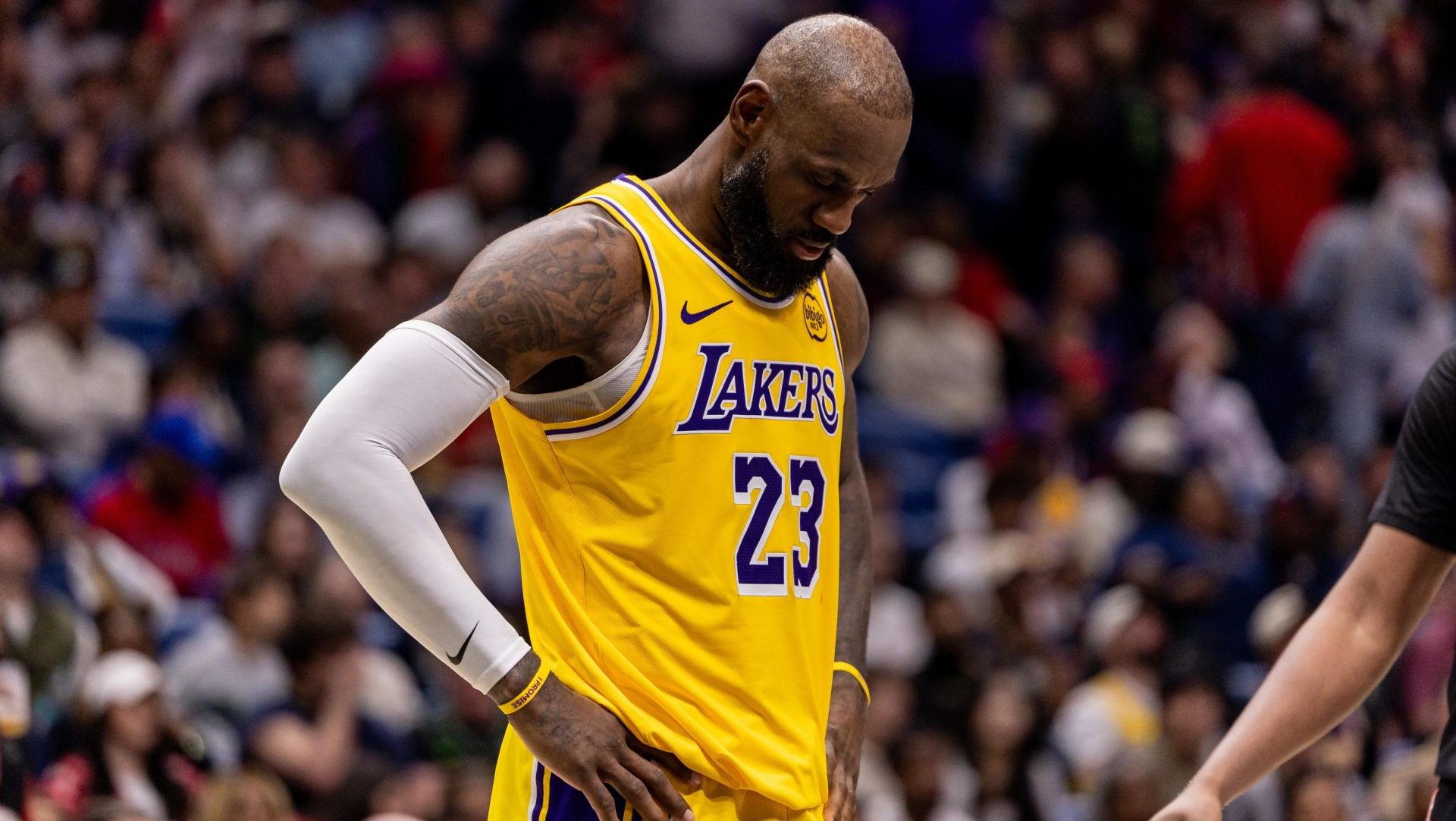
What makes this cycle of criticism so fascinating is that it persists regardless of what LeBron does. If he wins, it’s not impressive enough. If he loses, it defines him. If he dominates, the competition is weak. If he sustains greatness, it’s because he played too long. The goalposts are constantly moving, making it impossible for him to “win” in the eyes of his harshest critics.
But here’s the reality: greatness often invites scrutiny. The higher the mountain, the stronger the winds at the top. LeBron James has spent over two decades at that summit, carrying not just the expectations of a generational talent, but also the weight of constant comparison and criticism. And yet, he continues to perform, evolve, and redefine what’s possible in basketball.
In the end, these so-called “excuses” don’t diminish LeBron’s legacy—they reinforce it. Because when every achievement is met with a new reason to discredit it, it means the accomplishments themselves are too undeniable to ignore. People aren’t making excuses because LeBron isn’t great—they’re making excuses because he is.
And maybe that’s the clearest sign of all: when greatness becomes so overwhelming that the only response left is to explain it away.
Leave a Reply