Trump Pushes for New Nuclear Agreement to Replace New START
Former U.S. President Donald Trump has reignited debate over global nuclear arms control by signaling his desire to negotiate a new nuclear agreement to replace the New START treaty, the last remaining arms control pact limiting the world’s two largest nuclear arsenals. His comments have immediately drawn international attention, reopening questions about strategic stability, great-power rivalry, and the future of nuclear diplomacy.
New START, signed in 2010 by the United States and Russia, caps deployed strategic nuclear warheads and delivery systems while allowing on-site inspections and data exchanges. For years, arms control experts have described it as a critical guardrail preventing a renewed nuclear arms race. Trump, however, has long criticized the agreement, arguing that it is outdated, unfair, and fails to account for China’s rapidly expanding nuclear capabilities.
Now, Trump says it is time for a fresh deal — one he claims would better reflect today’s geopolitical realities.
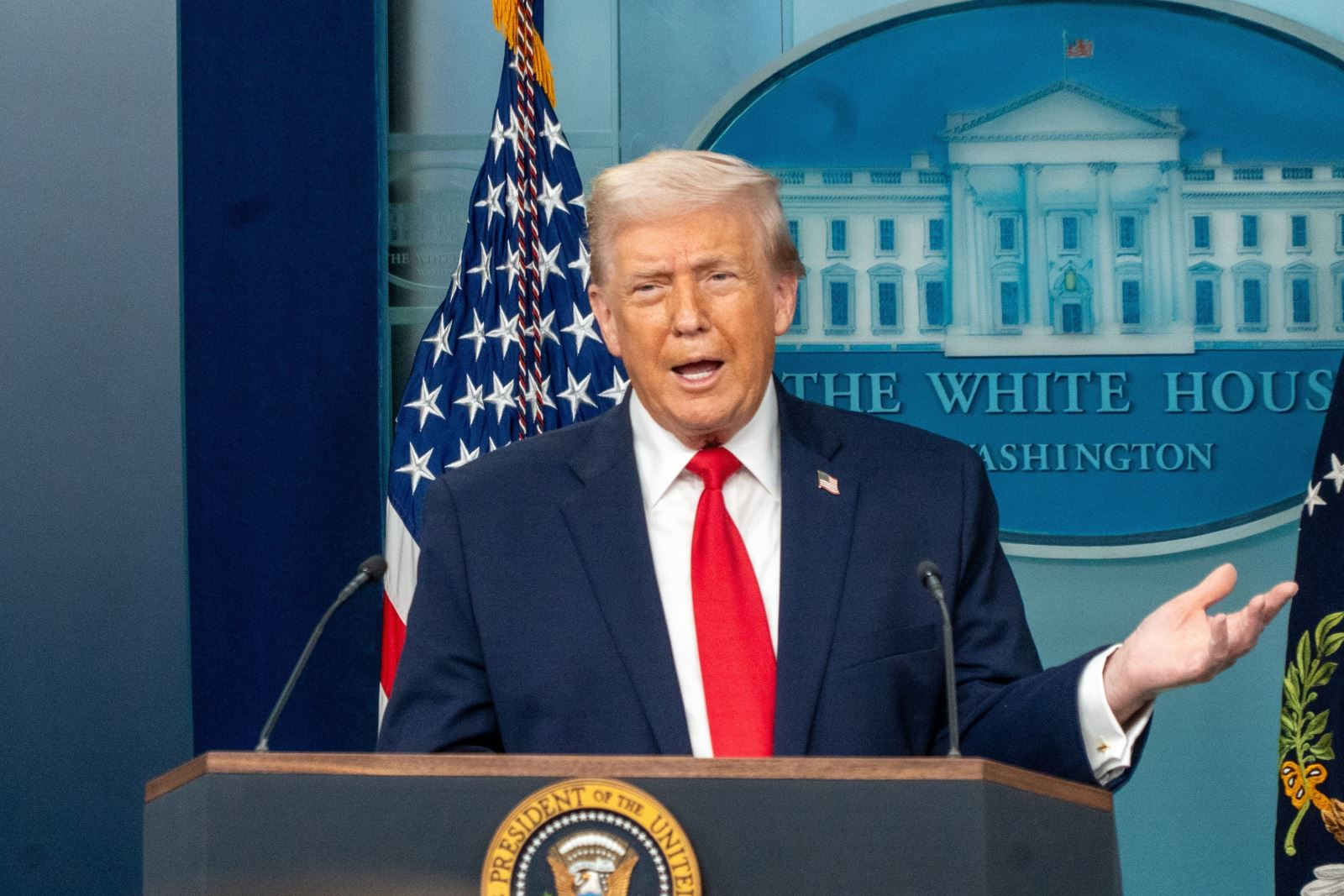
Speaking on the issue, Trump framed his proposal as both pragmatic and ambitious. He argued that any new agreement must move beyond the bilateral framework of the Cold War era and address emerging nuclear powers. “We need something stronger, something that actually works for the future,” Trump said, suggesting that a replacement treaty should impose tougher terms and potentially include additional countries.
Supporters of Trump’s position say he is right to question whether New START still serves U.S. interests. China, which is not a party to the treaty, has been modernizing and expanding its nuclear forces at a pace that alarms U.S. defense officials. Meanwhile, relations between Washington and Moscow have deteriorated sharply, raising doubts about the long-term viability of existing arms control mechanisms.
“Trump is tapping into a real concern,” said one former defense official. “The strategic landscape today is nothing like it was in 2010. Any serious arms control effort has to reflect that.”
Critics, however, warn that replacing New START is far easier said than done. Negotiating nuclear treaties is an extraordinarily complex process, often taking years of technical discussions, trust-building, and verification planning. With U.S.–Russia relations at historic lows and China showing little interest in binding nuclear limits, skeptics question whether Trump’s proposal is realistic — or politically motivated.
Arms control advocates fear that pushing to scrap New START without a clear, achievable alternative could leave the world more dangerous. Without binding limits and inspections, both the United States and Russia would be free to expand their arsenals without transparency, increasing the risk of miscalculation.
“New START isn’t perfect, but it’s better than nothing,” one arms control expert said. “Abandoning it without a replacement ready would remove the last remaining brakes on the nuclear competition.”
Trump’s history on arms control adds another layer of intrigue. During his presidency, he withdrew the United States from several major international agreements, including the Intermediate-Range Nuclear Forces (INF) Treaty. At the same time, he frequently expressed interest in negotiating what he called “bigger and better” deals, often emphasizing personal diplomacy and direct talks with foreign leaders.
That approach produced mixed results. While Trump held unprecedented meetings with North Korean leader Kim Jong Un, those talks ultimately failed to produce a lasting nuclear agreement. Critics argue this track record raises doubts about whether a sweeping new nuclear pact could succeed under similar methods.
Still, Trump insists that his negotiating style is uniquely suited to high-stakes diplomacy. He has suggested that a new agreement could reduce overall nuclear risks while placing greater pressure on rivals. In his view, strength and leverage — not incremental diplomacy — are the keys to progress.
The international response has been cautious. Russian officials have offered little public reaction, while China has repeatedly stated that its nuclear arsenal is far smaller than those of the United States and Russia, making it reluctant to join trilateral negotiations. European allies, meanwhile, have emphasized the importance of preserving existing arms control frameworks amid rising global tensions.
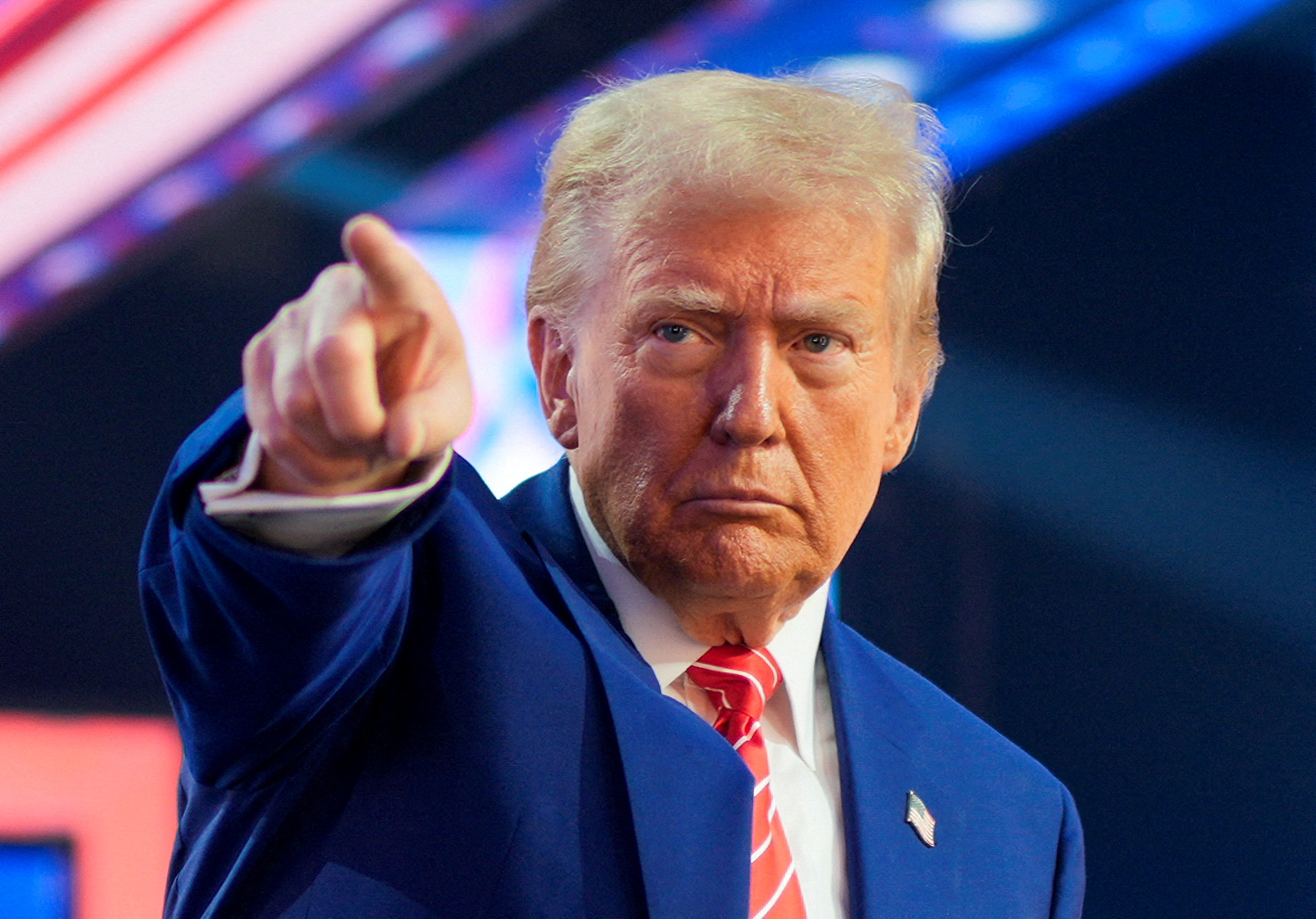
The timing of Trump’s remarks is also notable. With global security strained by conflicts, great-power competition, and rapid technological advances such as hypersonic weapons, nuclear policy is once again moving to the center of international debate. Any signal from a major U.S. political figure on arms control carries weight — particularly one with a record of reshaping global agreements.
For Trump’s supporters, the call for a new treaty reflects bold leadership and a willingness to challenge outdated assumptions. For his critics, it represents a risky gamble that could undermine decades of painstaking arms control progress.
As the debate unfolds, one thing is clear: the future of nuclear arms control remains uncertain. Whether Trump’s push leads to serious negotiations or simply intensifies political and diplomatic divisions, it has already succeeded in putting New START — and what comes after it — back at the center of global attention.
In a world where nuclear weapons still hold the power to shape destinies, the question is not just whether a new agreement can replace New START, but whether global leaders can find the trust and resolve needed to prevent the next arms race before it begins.
Leave a Reply