Global politics rarely stands still, but recent remarks from Donald Trump have sparked a fresh wave of international debate. Speaking during a media interview, Trump suggested that Vladimir Putin and Russia “may be helping Iran a little bit,” a statement that immediately intensified discussion about the growing geopolitical tensions surrounding the Middle East conflict.
At the same time, another unexpected development emerged: Volodymyr Zelensky, the president of Ukraine, offered assistance related to defense technology and counter-drone expertise. The overlapping statements from world leaders have created a complex narrative involving three major geopolitical players—Russia, Iran, and Ukraine—while raising questions about alliances, global security, and the future direction of international diplomacy.
Trump’s Controversial Statement
Trump’s comments came during a radio interview where he was asked whether Russia might be providing assistance to Iran amid rising tensions involving the United States and its allies.
The U.S. president acknowledged the possibility but downplayed its significance.
“I think he might be helping him a little bit,” Trump said, referring to Putin. He added that Russia may simply view the situation as comparable to how the United States supports Ukraine.
The remark quickly circulated across global media outlets and social platforms. For supporters of the administration, the statement reflected a realistic view of geopolitical rivalries. Critics, however, argued that it raised concerns about the growing cooperation between Moscow and Tehran.
Intelligence reports in recent weeks have suggested that Russia may have provided Iran with information that could help target U.S. forces in the region, though the full extent of such cooperation remains unclear.
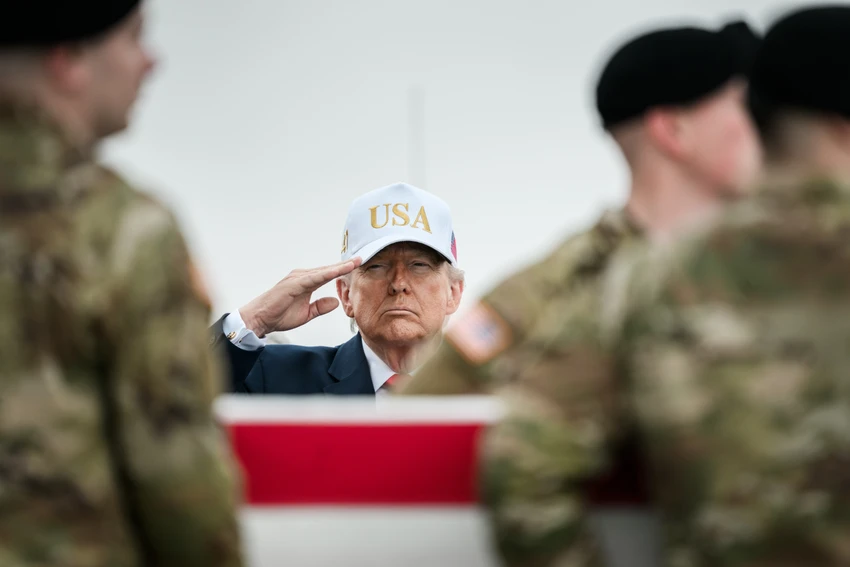
Rising Middle East Tensions
Trump’s remarks come at a time when tensions in the Middle East have been escalating rapidly.
The conflict involving Iran has already had global consequences, affecting oil markets, security alliances, and military deployments across the region. The United States and its allies have increased military presence while Iran and its partners have issued warnings of retaliation.
These developments have created an environment where every statement from world leaders carries enormous political weight.
When Trump publicly acknowledged the possibility of Russian assistance to Iran, analysts immediately began discussing what it might mean for the broader balance of power.
Zelensky’s Unexpected Offer
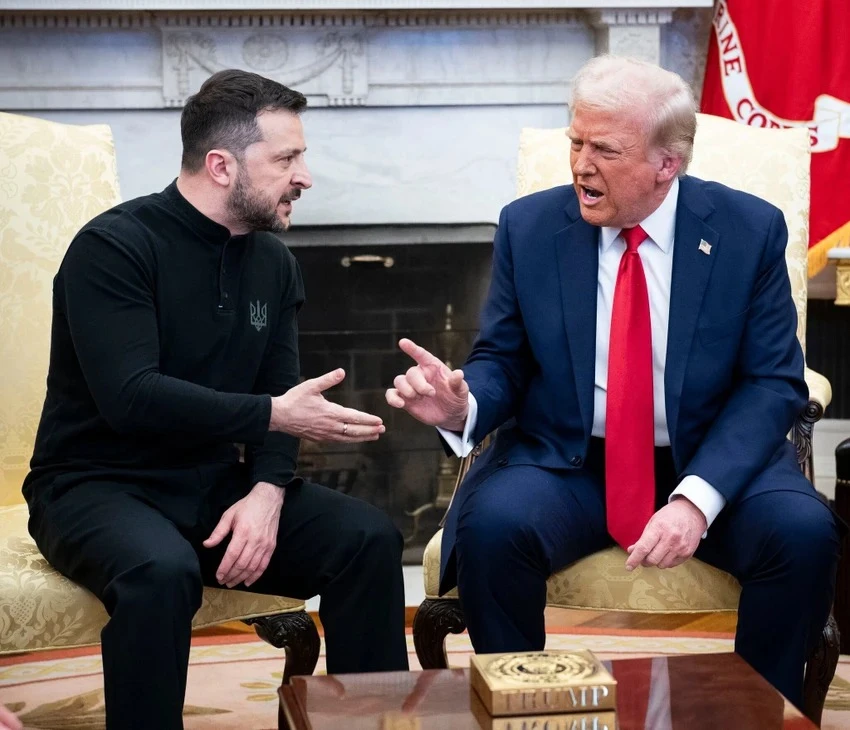
Amid the rising tensions, Ukrainian President Volodymyr Zelensky introduced a surprising element into the discussion.
Ukraine has spent years fighting against Russian forces, developing advanced drone warfare tactics and air-defense strategies along the way. Because of that experience, Zelensky suggested that Ukrainian expertise could help partners facing similar threats from Iranian drone technology.
According to reports, Ukraine offered to share its battlefield experience and counter-drone capabilities with the United States and its allies in the region.
However, Trump appeared to dismiss the idea publicly, saying the United States did not need Ukraine’s assistance in drone defense.
Despite the rejection, Zelensky emphasized that Ukraine remains willing to cooperate with partners who support Kyiv’s defense efforts.
The Broader Geopolitical Context
The situation highlights the complicated network of alliances and rivalries shaping global politics today.
Russia and Iran have developed closer military cooperation in recent years, particularly since the war in Ukraine began. Iran has provided drones and other equipment to Russia, while Moscow has maintained diplomatic and strategic ties with Tehran.
Meanwhile, Ukraine continues to rely heavily on Western support in its ongoing conflict with Russia.
These overlapping relationships mean that developments in one region can quickly affect dynamics elsewhere.
When Trump linked Russia and Iran in his remarks, he effectively connected multiple global crises into one broader geopolitical conversation.
Allies React
Trump’s comments have also triggered reactions among U.S. allies in Europe.
Some leaders have expressed concern that easing pressure on Russia or downplaying its possible involvement in supporting Iran could weaken international efforts to maintain stability.
European officials have also raised concerns about policy decisions affecting Russian oil sanctions, arguing that such moves could indirectly strengthen Moscow’s economic position during the ongoing war in Ukraine.
For many governments, the challenge now is balancing responses to multiple international crises simultaneously.
The Information War
Beyond military and diplomatic developments, the situation also highlights the growing importance of information warfare.
Statements from leaders can shape global perceptions, influence markets, and affect public opinion.
Trump’s suggestion that Russia might be assisting Iran—combined with Zelensky’s offer of support—has become a focal point of discussion across international media and social networks.
Some observers see it as a strategic acknowledgment of geopolitical realities, while others view it as a controversial signal about shifting global alliances.
What Happens Next?
At this stage, it remains unclear how the situation will develop.
Diplomatic channels between the United States, Russia, and other global powers continue to operate behind the scenes. Meanwhile, Ukraine remains deeply involved in its own conflict while seeking to strengthen partnerships with Western allies.
What is certain is that the interconnected nature of modern geopolitics means that events in one region rarely remain isolated.
Trump’s remarks, Russia’s potential involvement with Iran, and Zelensky’s offer of cooperation have together created a story that reflects the complexity of today’s international landscape.
And as tensions continue to rise across multiple regions, one question now dominates the global conversation: if Russia truly is helping Iran while Ukraine offers support to the West, could this moment signal the beginning of an even larger geopolitical confrontation?
Leave a Reply