The Chicago Bulls have just made a move that is sending shockwaves across the NBA—and fans are already divided.
In a surprising trade, the Bulls are sending Ayo Dosunmu and Julian Phillips to the Minnesota Timberwolves in exchange for Rob Dillingham, Leonard Miller, and four second-round picks. According to reports from Shams Charania and insider Michael Scotto, the deal also includes multiple future draft assets stretching as far as 2032.
At first glance, this isn’t just a trade—it’s a statement.
But the real question is: what kind of statement are the Bulls trying to make?
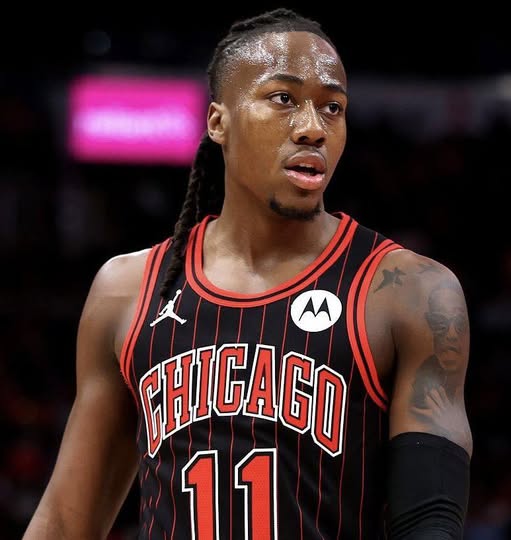
For many fans, the departure of Ayo Dosunmu hits hard. A Chicago native, Ayo wasn’t just a player—he represented identity, energy, and connection to the city. His hustle, defense, and ability to step up in key moments made him a fan favorite. Letting him go isn’t just a basketball decision—it’s an emotional one.
Julian Phillips, on the other hand, was seen as a developing piece with long-term potential. While he hadn’t fully broken out yet, many believed his upside was worth investing in.
So why move both?
The answer seems clear: the Bulls are shifting direction.
Rob Dillingham is the centerpiece of this trade—and he brings a completely different dynamic. Known for his explosiveness, scoring ability, and offensive creativity, Dillingham represents the type of guard the Bulls have been missing: someone who can create his own shot and inject energy into the offense.
But with that comes risk.
Dillingham is still young and unproven at the NBA level. His potential is high, but so is the uncertainty. The Bulls are betting on development—and in today’s NBA, that’s not always a safe bet.
Leonard Miller adds another interesting layer. With size, versatility, and upside, he fits the mold of a modern forward. However, like Dillingham, he’s still developing. This isn’t a “win-now” move—it’s a future-focused gamble.
And then there are the picks.
Four second-round picks might not sound like a headline-grabbing return, but in the current NBA landscape, they hold value. They provide flexibility—assets that can be used in future trades or to build depth.
Still, fans are asking the obvious question:
Is that enough?
Because when you trade away proven contributors, expectations come with it.
Some believe this is exactly what the Bulls needed—a reset, a shift toward youth, speed, and upside. They argue that the current roster had already reached its ceiling, and bold moves were necessary.
Others strongly disagree.
Critics are calling this a downgrade in the short term. They question whether the Bulls are giving up reliability for uncertainty. They worry that the team is once again entering a phase of “potential” instead of real competitiveness.
And that’s where the debate gets intense.
Because this trade doesn’t clearly define the Bulls’ direction—it complicates it.
Are they rebuilding?
Are they retooling?
Or are they stuck somewhere in between again?
That middle ground is exactly where the Bulls have struggled in recent years. Not bad enough to fully rebuild, but not strong enough to truly contend.
This move could change that—or make it worse.
What makes this situation even more interesting is timing. In a league where teams are aggressively chasing championships, the Bulls seem to be playing a longer game.
But patience in Chicago isn’t infinite.
Fans remember greatness. They expect relevance.
And right now, every move is being judged through that lens.
The success of this trade will ultimately depend on one thing: development.
If Dillingham becomes a star and Miller reaches his potential, this could be seen as a turning point.
If not, it may go down as another missed opportunity.
For now, one thing is certain:
The Chicago Bulls just made one of their boldest moves in years.
And the entire NBA is watching what happens next.
Leave a Reply