New discoveries at Göbekli Tepe, the world’s oldest known temple, are shaking the very foundations of our understanding of human history. Recent excavations in southeastern Turkey have unveiled astonishing evidence that challenges long-held beliefs about the origins of civilization and the role of religion in human development.
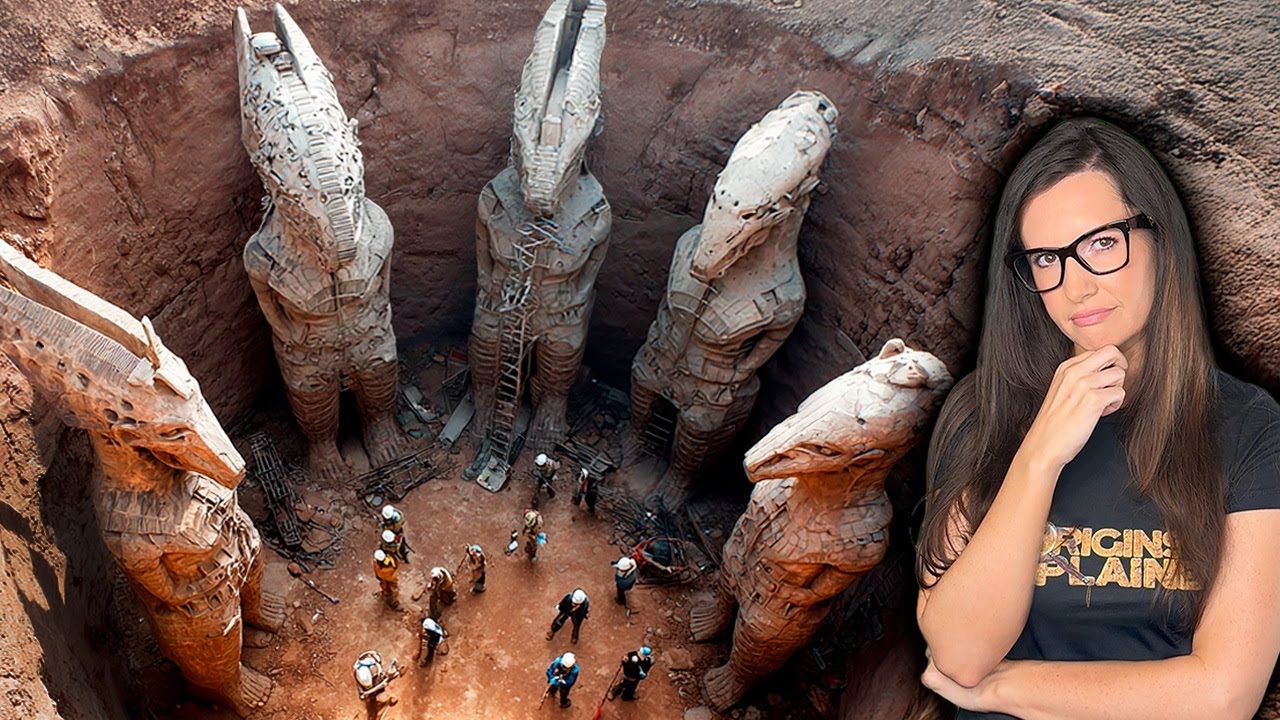 Built approximately 11,000 years ago by hunter-gatherers, Göbekli Tepe is not just a monumental architectural feat; it is a profound testament to early human spirituality and social organization. The site features massive, intricately carved stone pillars, some reaching 18 feet tall and weighing up to 50 tons, adorned with reliefs of animals and mysterious symbols.
For decades, historians believed that agriculture and urban living preceded the establishment of religious sites. However, new findings suggest the opposite: that the need for a shared spiritual sanctuary may have catalyzed the development of settled communities and agriculture. This groundbreaking revelation implies that religion was a driving force behind the formation of early societies.
 Excavators have recently uncovered living quarters, storage spaces, and tools at Göbekli Tepe, indicating that the builders did not merely gather for rituals but lived and thrived in the area. Flint sickles and remnants of early plant processing hint at proto-agricultural practices, blurring the lines between foraging and farming.
The mystery deepens with the revelation that the entire site was deliberately buried around 8,000 BC. Why would these ancient people choose to hide their monumental creation? Theories abound, but no definitive answers exist, leaving archaeologists and historians racing to uncover the truth behind this enigmatic act.

In a related discovery, nearby Kahantepe has unveiled a T-shaped stone pillar featuring a human face, potentially the earliest known human portrait. This find suggests that the T-shaped pillars, long thought to be mere markers, may represent the first attempts at human likenesses, further complicating our understanding of early artistic expression.
 As excavations continue, only about 10% of Göbekli Tepe has been explored, with estimates suggesting that at least 15 more enclosures may lie beneath the surface, some dating back as far as 13,000 BC. The implications of these discoveries are staggering and could redefine the timeline of human civilization.
Researchers are now racing against time, piecing together the complex tapestry of early human life. The discoveries at Göbekli Tepe and Kahantepe are not just archaeological finds; they are keys to understanding the very essence of what it means to be human. As the past continues to unfold, one thing is clear: the story of our origins is far more intricate than we ever imagined.
Leave a Reply